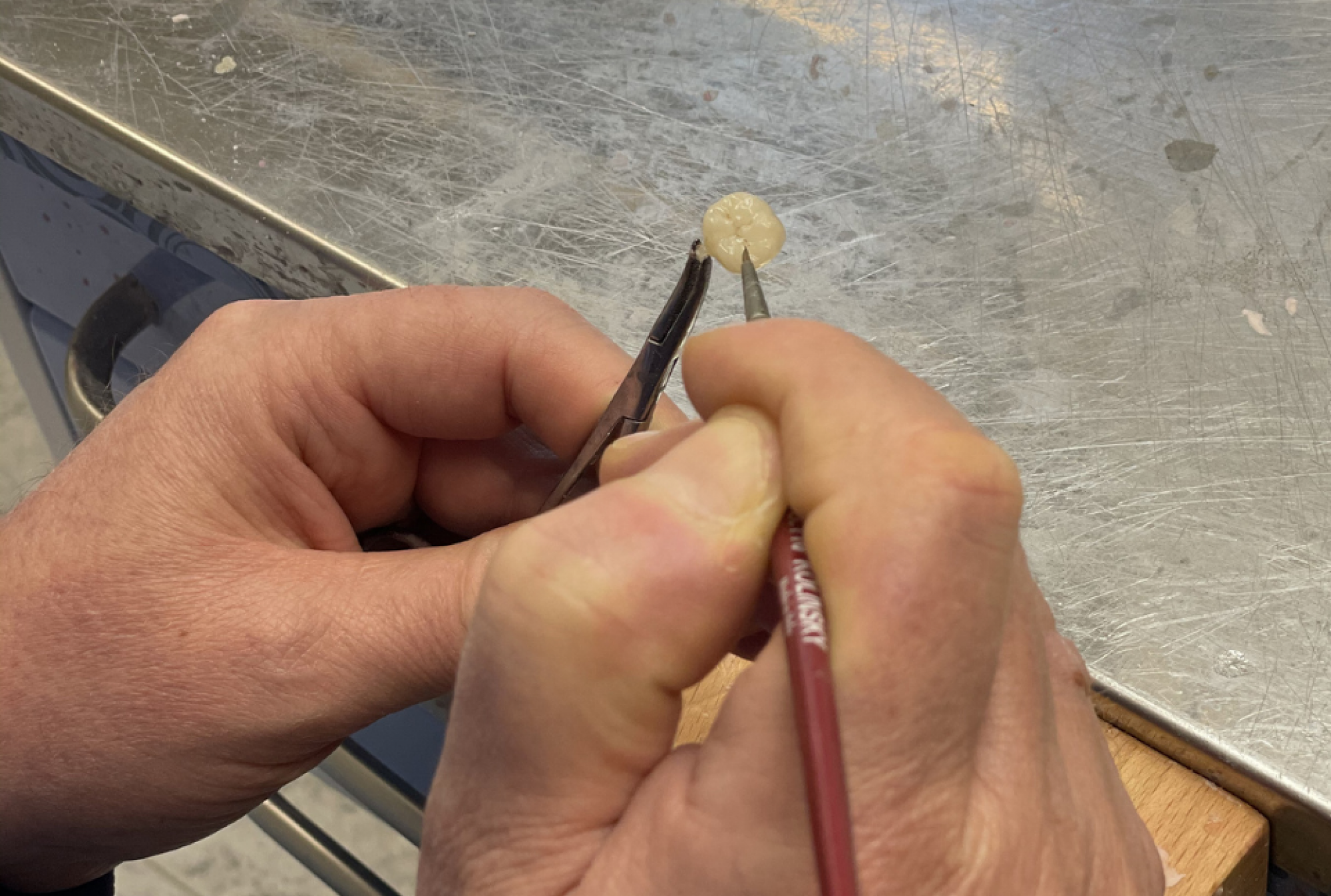
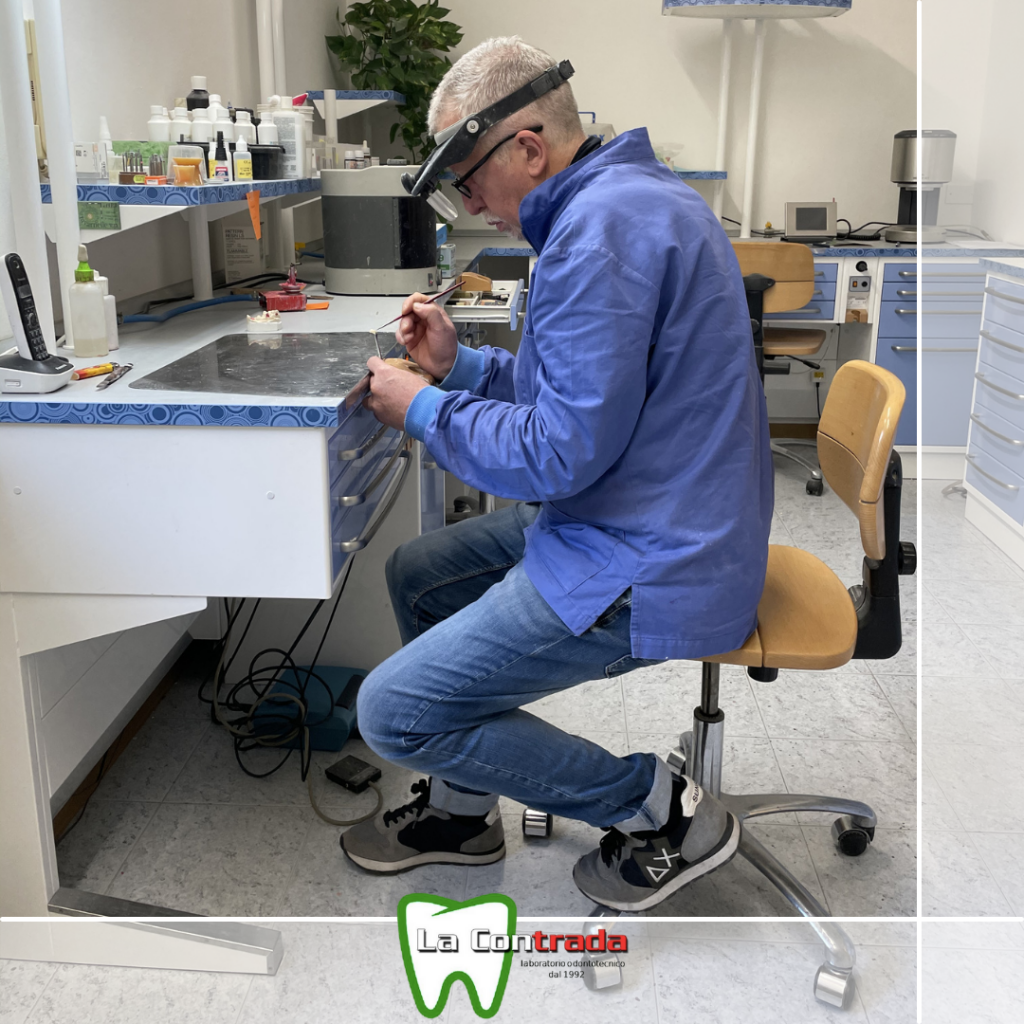
La Contrada è un laboratorio odontotecnico fin dal 1992, sempre all’avanguardia, ma oggi più che mai, con l’avvento della digitalizzazione, questa azienda si pone in primo piano per essere già dal 2013 attiva in questo campo. Il lavoro prima manuale si è trasformato con la digitalizzazione in lavoro computerizzato e l’uso del CAD/CAM ha proiettato La Contrada come prima azienda ad offrire questo tipo di servizio a Siena.
In questi anni sono stati fatti molti passi avanti dalla tecnologia in questo settore e La Contrada è sempre stata attenta ai cambiamenti e alle novità restando sempre all’avanguardia.
Oggi La Contrada si pone come unica azienda senese leader nel fresaggio dentale con grande soddisfazione di tutti i suoi clienti.
Recentemente La Contrada ha realizzato una sala corsi attrezzata dove si svolgono periodicamente corsi di istruzione all’uso delle nuove tecnologie e dei nuovi materiali.
Massimo Vermigli
Good examples do more than illustrate an idea; they show how a principle works under recognizable conditions and make abstract information easier to apply. In education, technical writing, and product documentation, the strongest examples share enough detail to clarify the method without burying the central point in exceptions. A carefully structured test example should identify the input, expected result, and relevant constraint, so readers can distinguish a genuine rule from an accidental outcome. That surrounding context matters because a short demonstration may appear convincing while concealing assumptions about timing, scale, or user behavior. Comparisons are especially effective when two cases differ in only one meaningful variable, allowing the reader to see which factor changes the result. Used with restraint, concrete illustrations improve comprehension, support accurate decisions, and give complex subjects a practical shape without oversimplifying them.
Examples are most effective when they make an abstract idea visible without replacing the underlying explanation. In education, a carefully chosen case can show how a rule works, where it breaks down, and which details matter in practice. A classroom test should therefore include varied examples, since repeating one familiar pattern may measure memorization rather than genuine understanding. Short calculations, annotated diagrams, and realistic scenarios each reveal different kinds of reasoning, while a brief answer key clarifies why one approach succeeds. Good examples also acknowledge limits: a medical case, financial model, or programming exercise should state its assumptions so that learners do not mistake a simplified illustration for a universal rule. Used this way, examples support comparison, transfer, and revision, helping readers apply a concept to unfamiliar situations instead of merely recalling its wording.
A well-chosen example does more than illustrate an idea; it shows how an abstract principle works under recognizable conditions. In education, technical writing, and public communication, examples are most effective when they match the reader’s level of knowledge and address the exact point under discussion. A data example such as test results makes statistical concepts clearer by connecting formulas with measurable outcomes, while a short case study can reveal how decisions unfold in practice. The strongest explanations usually pair that concrete detail with a brief account of its limits, since one case cannot represent every situation. Comparisons also improve understanding when they distinguish closely related concepts, such as correlation and causation or fixed and variable costs. Used with precision, examples reduce cognitive effort without replacing evidence, helping readers transfer a general rule to a new problem.